The queue, the priest and the fasting meal, all arranged before you arrive.
Darshan slots arranged in advance, the queue managed for you, a kitchen that understands a vrat, and a Zubilant escort who has walked the route before.
A pilgrimage is not made easier by describing it beautifully. It is made easier by darshan slots arranged in advance, wheelchairs organised, and a kitchen that understands a vrat. Start with who is going and how far they can climb. Those two answers decide most of it. Every one has run before.
Walking0Nights0Budget0Month0
Who’s going0
14 journeys
4.9Zubilant on Google
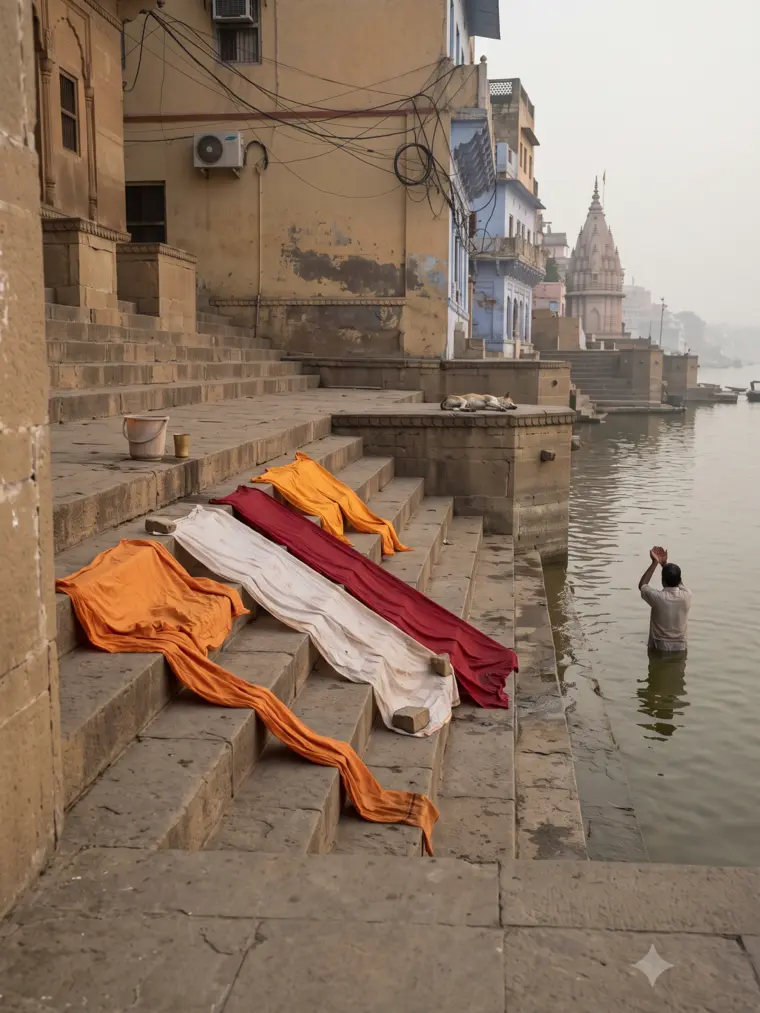
Varanasi & the Ganga
4 nights Varanasi Gentle
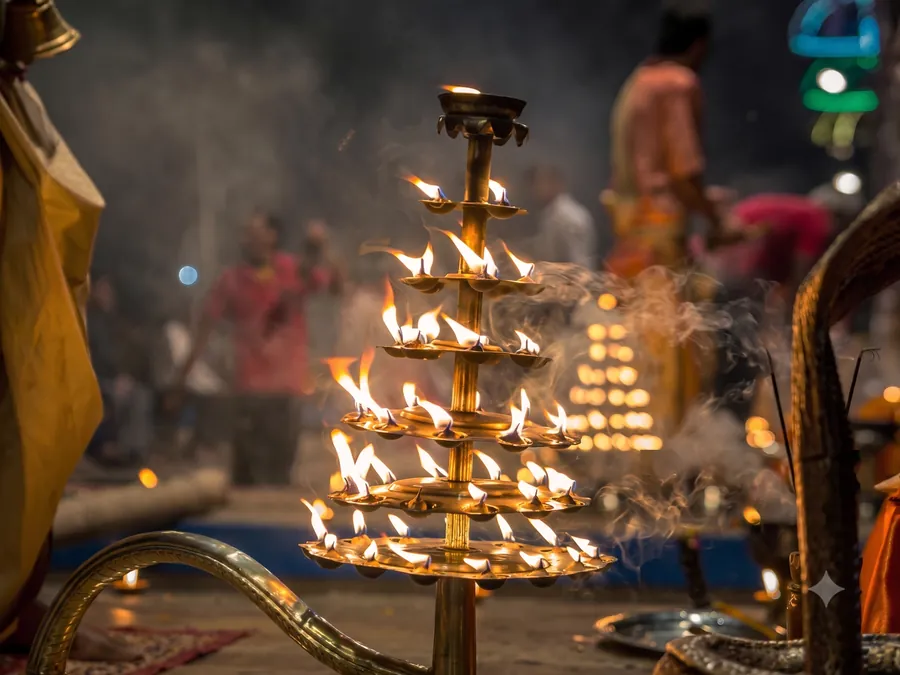
Four nights on the oldest street in India, dawn boats, the evening aarti from the water, Sarnath, and enough time between them to let the city work on you.
From ₹29,999per person*View journey →
4.9Zubilant on Google
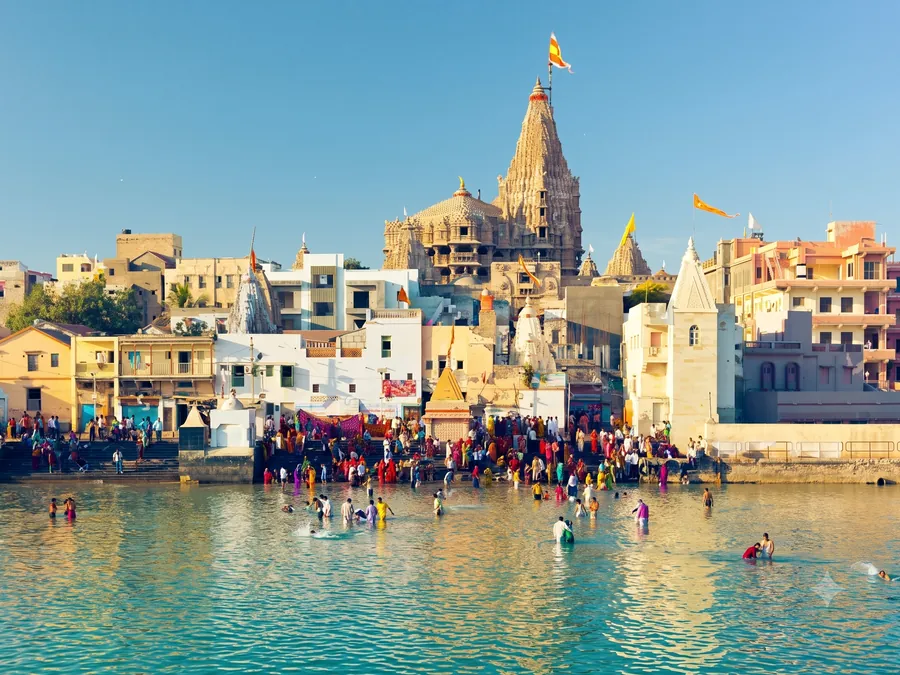
Dwarka & Somnath by Road
5 nights Gujarat Gentle
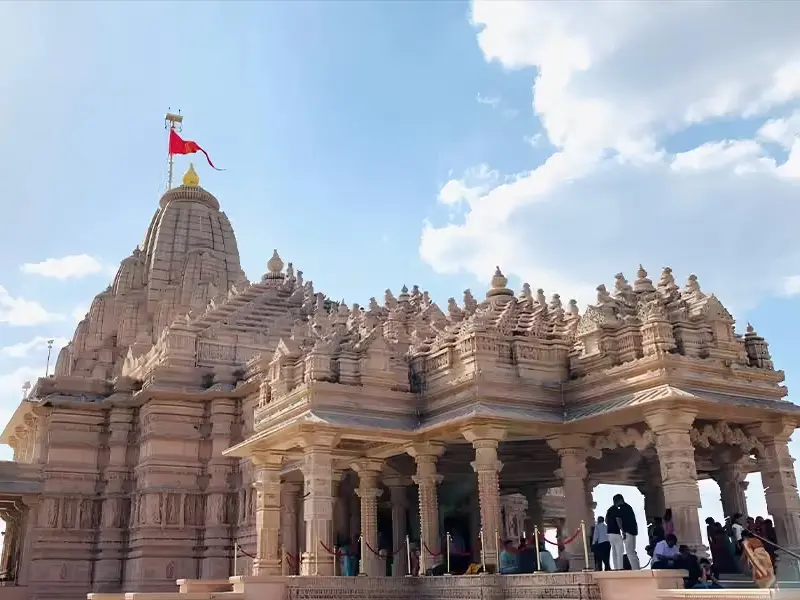
Five nights along Gujarat's temple coast, Dwarkadhish and Somnath with darshan arranged and queues managed, Beyt Dwarka by boat, and the Gir lions in between.
From ₹29,999per person*View journey →
4.9Zubilant on Google
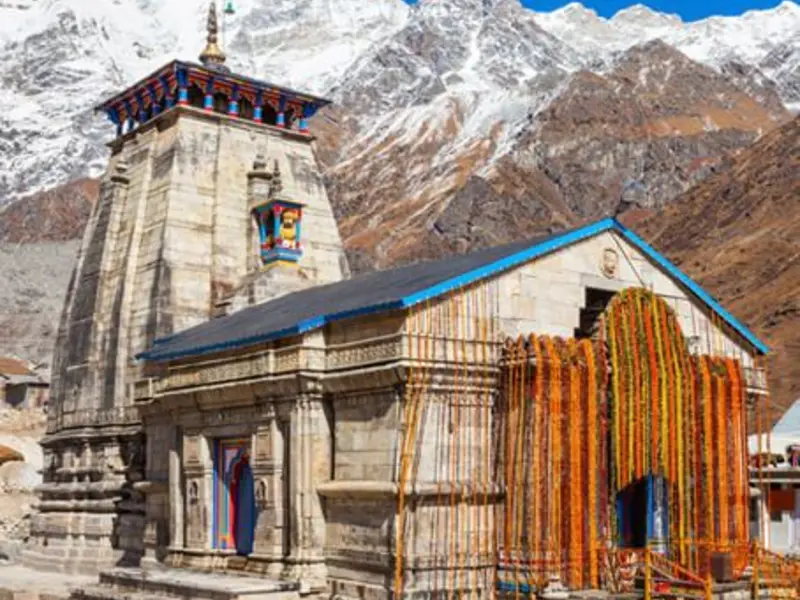
Uttarakhand: Char Dham by Road
10 nights Uttarakhand Moderate
Ten nights on the full Yamunotri–Gangotri–Kedarnath–Badrinath circuit by road, paced for pilgrims who want to complete the yatra properly, with a helicopter option for Kedarnath for those who should not attempt the climb.
From ₹1,04,999per person*View journey →
4.9Zubilant on Google
Rishikesh & the Ganga Foothills: A Wellness Week
6 nights Uttarakhand Gentle
Six nights of yoga, river and quiet in and above Rishikesh in the cool October-to-March season, a wellness week built around one good ashram-style routine, not a spa menu.
From ₹67,999per person*View journey →
4.9Zubilant on Google
Valley of Flowers & Hemkund
7 nights Uttarakhand Demanding
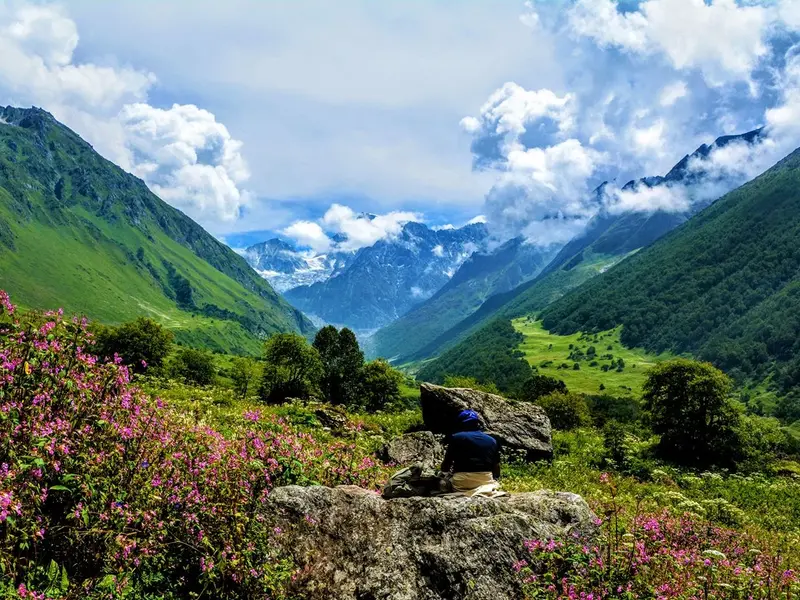
Seven nights built around the July–August monsoon bloom, trekking into the Valley of Flowers at its absolute peak and up to Hemkund Sahib at 4,300 metres, with the rest days most operators skip.
From ₹77,999per person*View journey →
Rising 2027
4.9Zubilant on Google
Tawang & the High Monasteries of Arunachal
8 nights Arunachal Pradesh Demanding
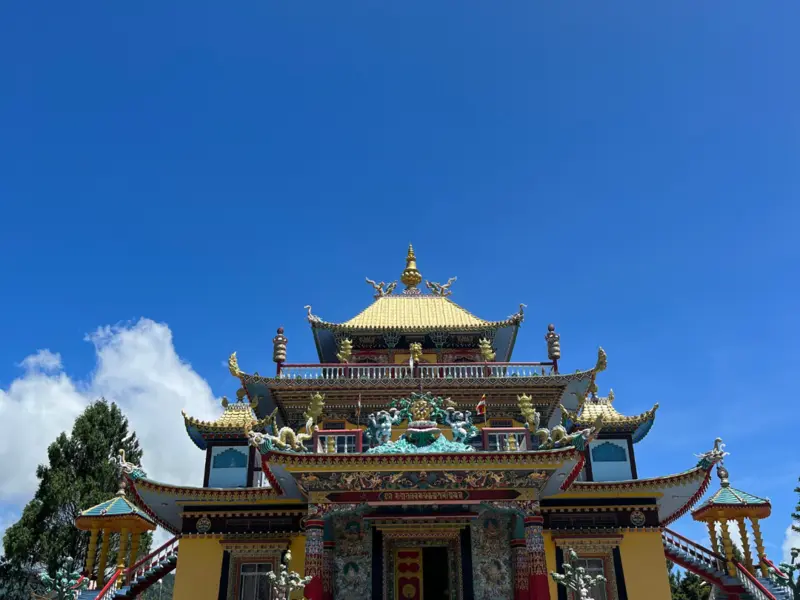
Eight nights on the great road from Guwahati through Dirang to Tawang and its 17th-century monastery, over the 4,170-metre Sela Pass and back, in the clear windows of March–April and October–November.
From ₹97,999per person*View journey →
4.9Zubilant on Google
Amritsar & Punjab: Golden Temple, Border, Table
4 nights Punjab Gentle
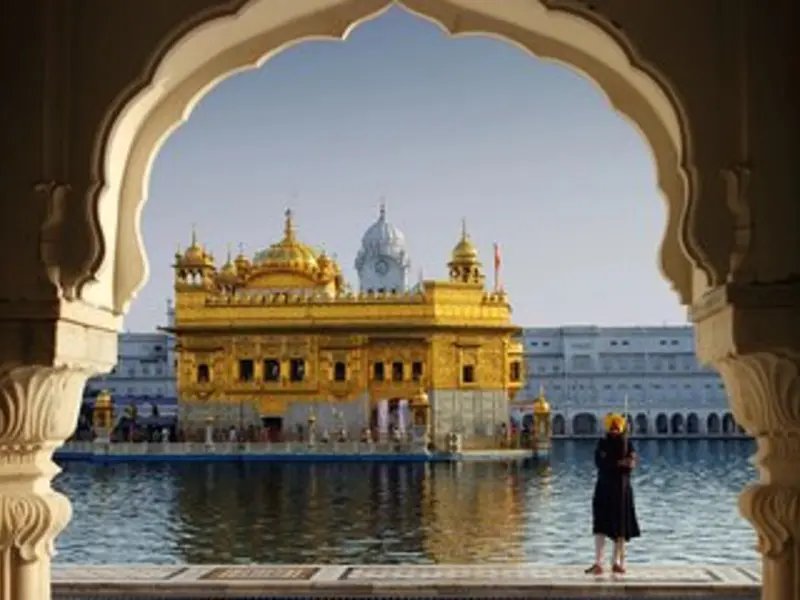
Four nights in Amritsar built around the Golden Temple at its quietest hours, the Wagah border ceremony done properly, and the best eating city in North India taken seriously.
From ₹41,999per person*View journey →
4.9Zubilant on Google
Madurai to Rameswaram: The Deep South Temple Road
6 nights Tamil Nadu Gentle
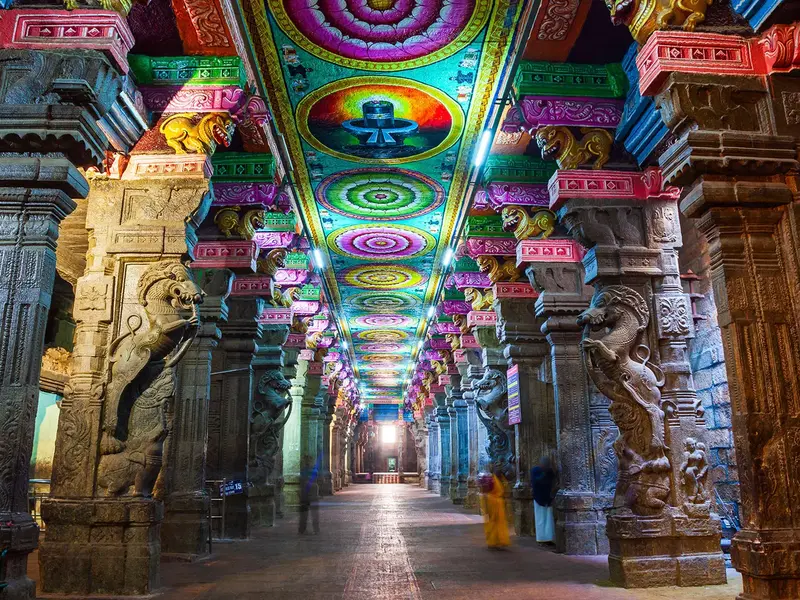
Six nights down the great temple road of the deep south, Madurai's Meenakshi at night, Chettinad's mansions and cuisine, Rameswaram's corridors, and land's end at Kanyakumari.
From ₹57,999per person*View journey →
4.9Zubilant on Google
Odisha: Puri, Konark & the Quiet Coast
5 nights Odisha Gentle
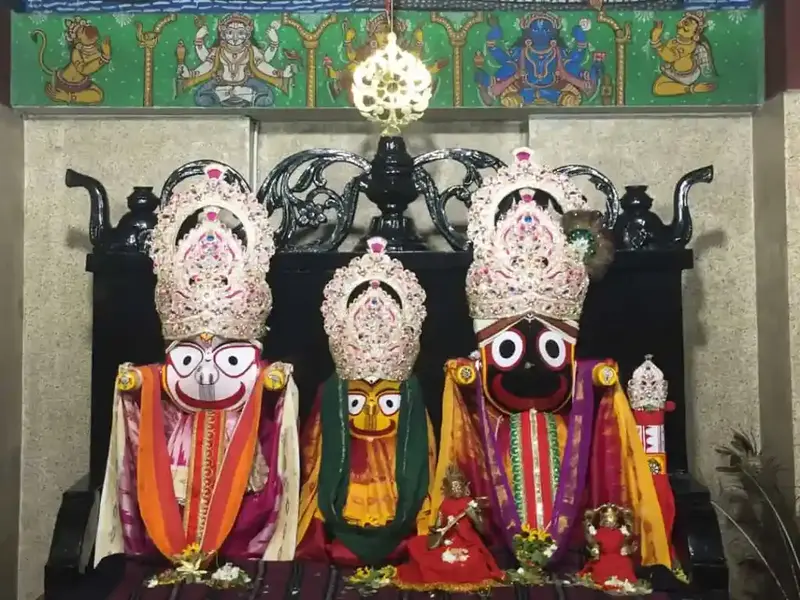
Five gentle nights through Jagannath darshan at Puri, the Sun Temple at Konark, Chilika's dolphins and the artist village of Raghurajpur, Odisha done properly, without the crowds it never gets anyway.
From ₹51,999per person*View journey →
Trending 2026
4.9Zubilant on Google
Ayodhya, Prayagraj & Chitrakoot: The Ram Path
5 nights Uttar Pradesh Gentle
Five nights along the Ram path, darshan at Ayodhya's new mandir, the Sangam at Prayagraj and the forest quiet of Chitrakoot, paced for elders and managed so the queues never manage you.
From ₹47,999per person*View journey →
Rising 2027
4.9Zubilant on Google
Kumbakonam & the Cauvery Delta: Temples of the Cholas
5 nights Tamil Nadu Gentle
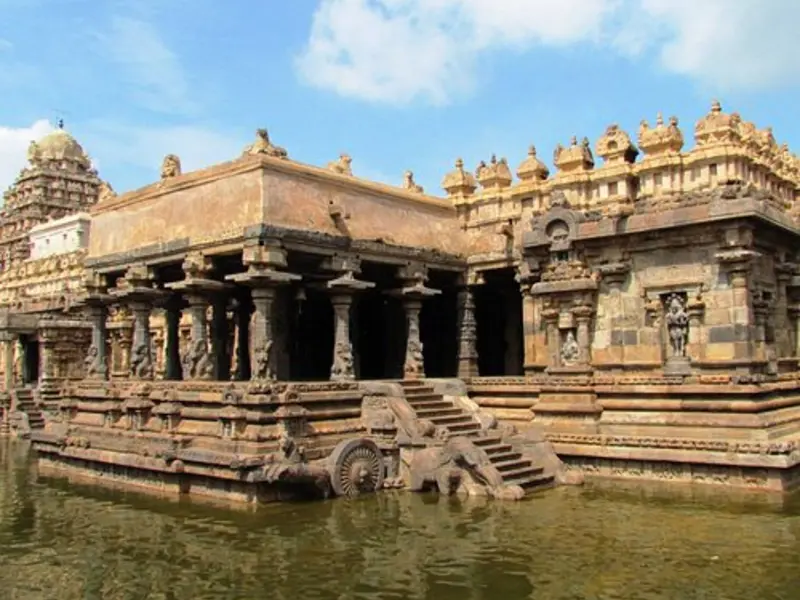
Five nights deep in the Cauvery delta, Kumbakonam's living temple towns, the two quieter Great Chola temples, and the Danish surprise of Tranquebar, the Tamil heritage circuit for travellers who have already done the obvious.
From ₹54,999per person*View journey →
Visa-free
4.9Zubilant on Google
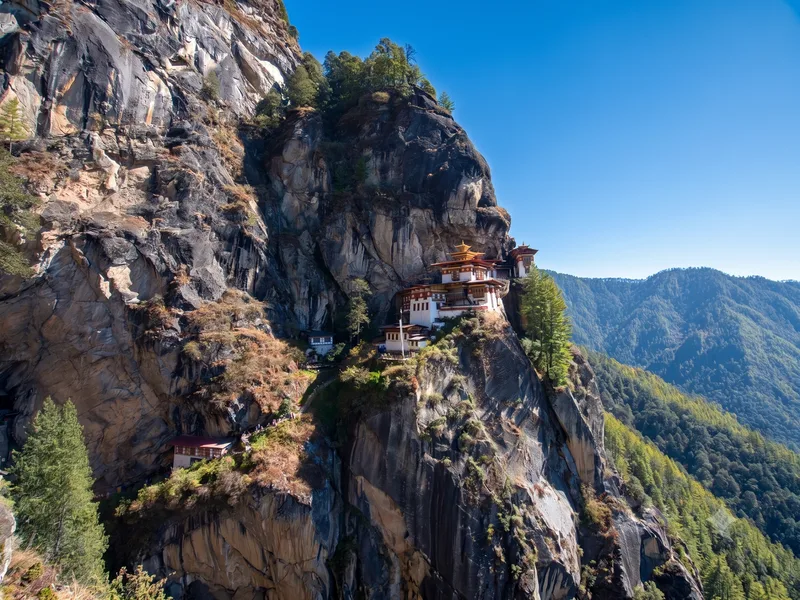
Bhutan: The Kingdom Next Door
6 nights Bhutan Moderate
Six nights through Thimphu, Punakha and Paro, ending with the climb to Tiger's Nest, the Himalayan kingdom Indians can enter without a visa, and mostly don't.
From ₹77,999per person*View journey →
4.9Zubilant on Google
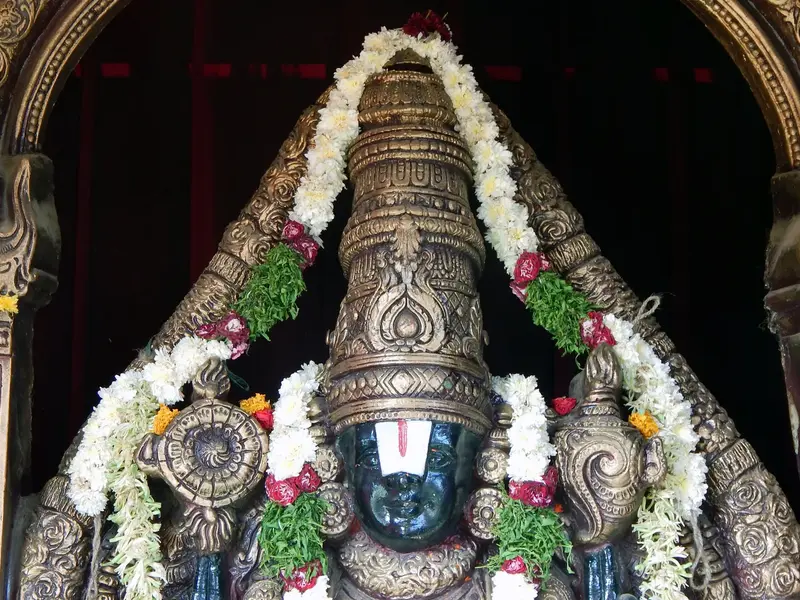
Tirupati & Tirumala: Darshan Done Right
3 nights Andhra Pradesh Gentle
Three nights built around one thing: a managed, unhurried darshan at Tirumala, with Srikalahasti and Chandragiri Fort filling the days without crowding them.
From ₹31,999per person*View journey →
4.9Zubilant on Google
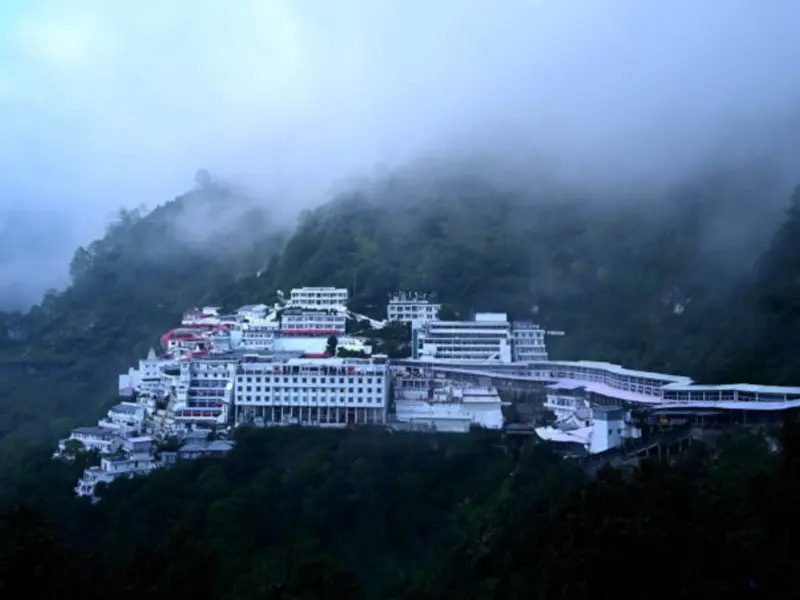
Vaishno Devi: The Climb to the Shrine
3 nights Jammu & Kashmir Moderate
Three nights built around the 13-kilometre climb from Katra to the Vaishno Devi shrine, with every honest way up, foot, pony, palanquin or helicopter, named and arranged in advance.
From ₹27,999per person*View journey →
Nothing here matches all of that.
Drop one answer and see what is close, or tell us and we will shape it.
Prices are indicative, per person on twin sharing.
Land-only vs flights-included, and final 2026-27 rates, pending confirmation.
Darshan slots arranged at both temples. Queue management. Jain and fasting meals arranged. Hotels chosen for lifts and proximity. Wheelchairs where needed, with notice.
Our register
No saffron as decoration, no om symbols used as graphics. The journeys are reverent because the detail is respectful, not because the page says so.