Rishikesh & the Ganga Foothills: A Wellness Week
Six nights of yoga, river and quiet in and above Rishikesh in the cool October-to-March season, a wellness week built around one good ashram-style routine, not a spa menu.
Ten nights on the full Yamunotri–Gangotri–Kedarnath–Badrinath circuit by road, paced for pilgrims who want to complete the yatra properly, with a helicopter option for Kedarnath for those who should not attempt the climb.
The Char Dham is not a sightseeing circuit, and the operators who sell it as one are the reason so many yatris come home exhausted and unwell. The mistake is always the same: too many kilometres per day, no buffer days, and no honesty about what the Kedarnath climb actually asks of a body. We have been running this route long enough to know the yatra is won or lost in the pacing.
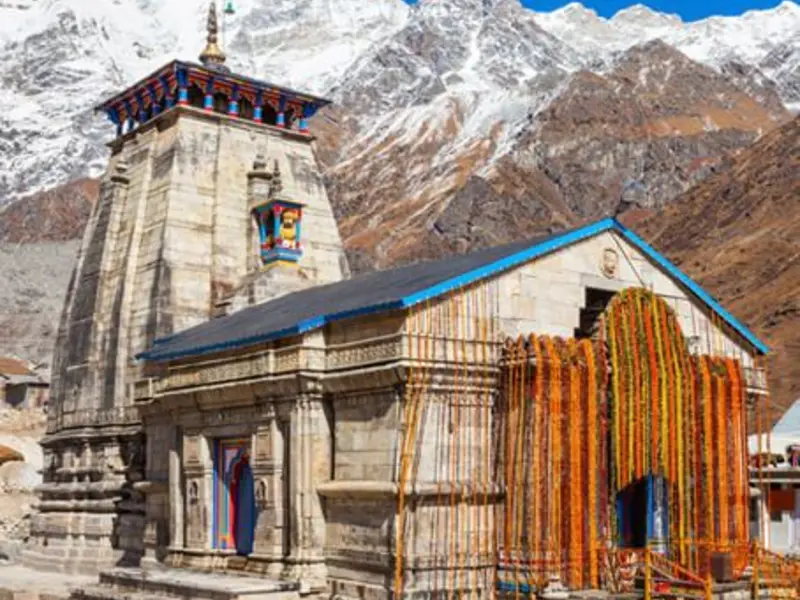
So we build it the old way. One dham at a time, a night of rest before every hard day, and darshan timed for early morning when the queues are short and the mountain air is at its kindest. For Kedarnath, a 16–18 km trek from Gaurikund, we put the choice plainly in front of you: walk it over a full day with our escort, take a pony or palki, or take the helicopter from Phata. There is no shame in the helicopter. Completing the yatra is the point; proving something on a steep wet path is not.
This journey lands hardest for pilgrims travelling with elderly parents. The escort handles the permits, the registrations, the medical certificates and the queue logistics, so the family's attention stays where it belongs, on the darshan, not the paperwork.
Eleven days, start to finish. The route, then the rhythm of it.
Arrive Haridwar; Ganga aarti at Har Ki Pauri in the evening. Rest.
Drive to Barkot (6–7 hours) via Dehradun and Mussoorie; early night.
Yamunotri, drive to Janki Chatti, 6 km walk or pony to the temple and back; return to Barkot.
Drive to Uttarkashi (4–5 hours); evening at Kashi Vishwanath temple, on level ground.
Gangotri day, drive up through Harsil (3–4 hours each way), darshan by late morning; back to Uttarkashi.
Drive to Guptkashi/Phata (7–8 hours, the long day); early dinner, gear check for Kedarnath.
Kedarnath, helicopter from Phata for those booked, trek from Gaurikund for the walkers; night near the shrine or back in Guptkashi depending on your option.
Rest and recovery morning; drive to Pipalkoti or Joshimath (5–6 hours).
Badrinath, darshan in the morning, Mana village (the last village before the border) in the afternoon; night in Badrinath.
The long descent to Rishikesh (9–10 hours with proper breaks); evening aarti at Triveni Ghat if energy allows.
Depart from Rishikesh or Dehradun airport.
The facts most itineraries leave out. We print them because they are what decides whether this trip suits your family.
Clean, simple, honest properties, this is a pilgrimage route, and pretending otherwise helps nobody. We use the same family-run hotels and guesthouses year after year in Barkot, Uttarkashi and Guptkashi because they keep the water hot and the kitchens strict. Expect comfort, not luxury; expect it reliably.
Pilgrims, and families bringing seniors who want to complete the yatra with proper support, the helicopter and pony options mean the circuit is achievable with care. Not for anyone expecting resort comforts, and not for travellers with uncontrolled heart or respiratory conditions; the route lives between 1,300 and 3,600 metres and we will ask for a doctor's clearance for travellers over 65.
Journeys that suit the same travellers.

Six nights of yoga, river and quiet in and above Rishikesh in the cool October-to-March season, a wellness week built around one good ashram-style routine, not a spa menu.

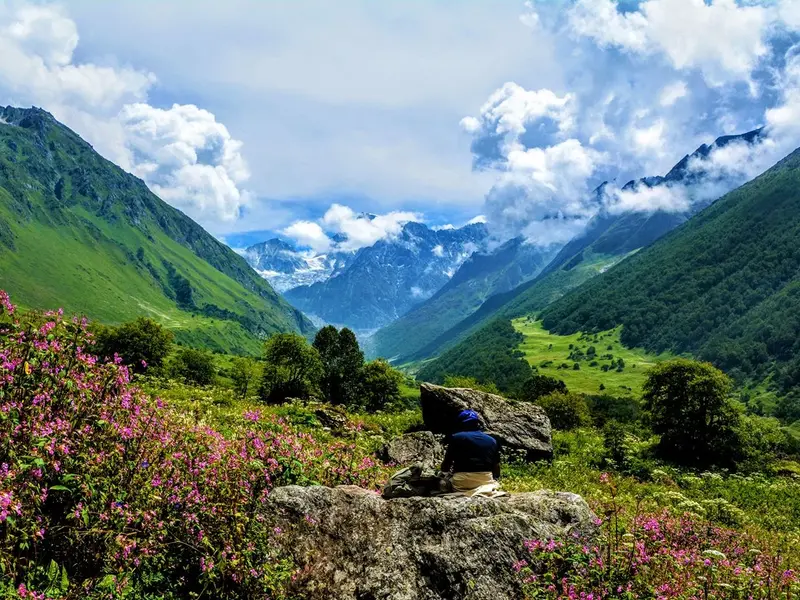
Seven nights built around the July–August monsoon bloom, trekking into the Valley of Flowers at its absolute peak and up to Hemkund Sahib at 4,300 metres, with the rest days most operators skip.

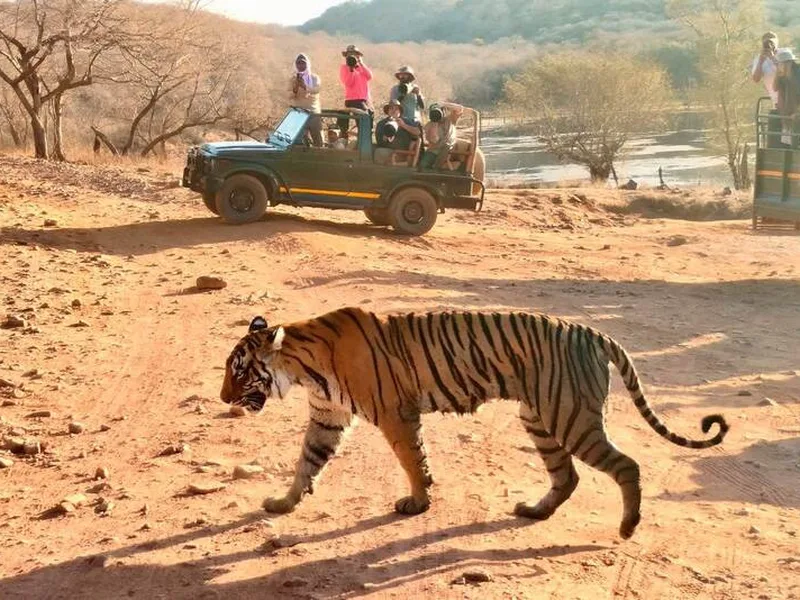
Four nights at Ranthambore with three properly booked safaris in the October–April season, plus an unhurried Jaipur day on the way in, tigers first, forts second.