Japan in Cherry Blossom Season
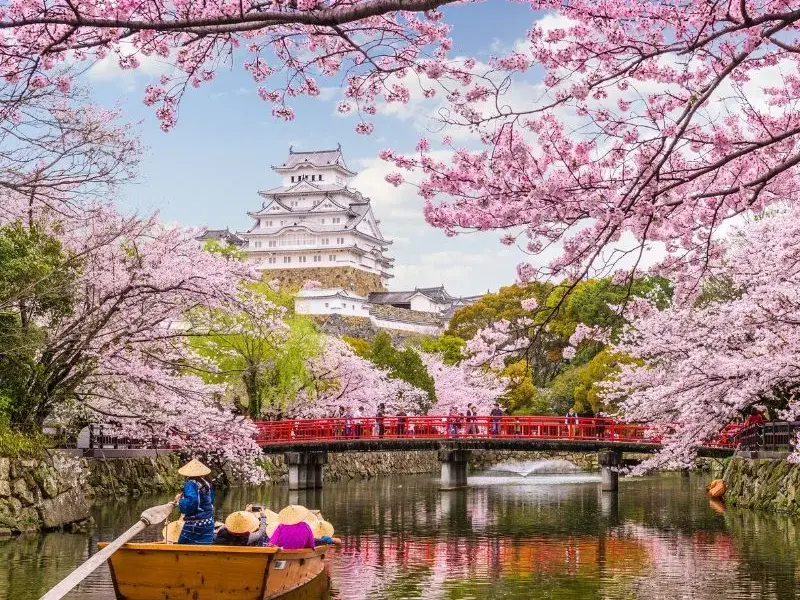
Eight nights from Tokyo to Osaka by rail through Hakone and Kyoto, timed for the two weeks the blossom actually holds, with a November foliage departure for those who cannot get April leave.
Five nights deep in the Cauvery delta, Kumbakonam’s living temple towns, the two quieter Great Chola temples, and the Danish surprise of Tranquebar, the Tamil heritage circuit for travellers who have already done the obvious.
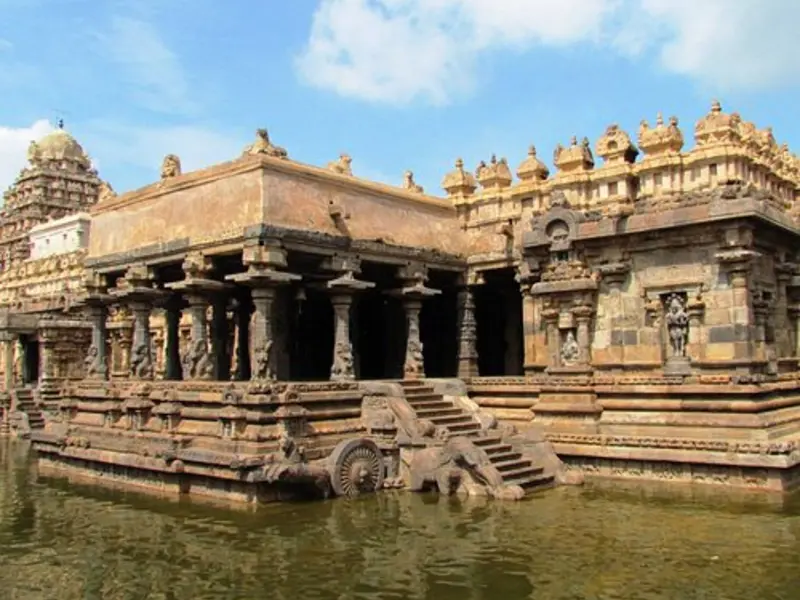
Everyone who wants Chola architecture goes to Thanjavur, photographs the big temple, and leaves. The delta they drive through to get there holds more working temples per square kilometre than anywhere in India, towns where the eleventh century is not a monument but a Tuesday. Kumbakonam alone has a dozen major shrines within a walk of its filter-coffee houses, and the two other UNESCO-listed Great Living Chola Temples, Gangaikonda Cholapuram and Darasuram, stand nearly empty on mornings when Thanjavur is queuing.
We base in Kumbakonam and move outward like a compass: Darasuram’s Airavatesvara, where the sculpture is so fine the guides run out of adjectives and go quiet; Gangaikonda Cholapuram at dawn, an imperial capital reduced to one perfect temple in a field; Swamimalai, where the hereditary sthapathis still cast bronzes by the lost-wax method the Cholas used, and you watch the pour. Then the road east through paddy to Tranquebar, Tharangambadi, a Danish colonial town on the Coromandel coast that history mislaid, where you sleep a night by the sea wall.
This is for travellers on their second or third Tamil Nadu journey, and for anyone who wants their heritage living rather than roped off. It is quietly one of the best-eating trips we run: delta towns take their tiffin seriously.
Six days, start to finish. The route, then the rhythm of it.
Arrive Trichy, drive to Kumbakonam (1.5 hrs) with a stop at Srirangam’s outer prakarams if flights allow. Evening walk to the Mahamaham tank and a proper degree coffee.
Kumbakonam’s town temples on foot in the cool morning, Adi Kumbeswarar, Sarangapani. Afternoon at Swamimalai with the bronze-casting sthapathis: wax to fire to god.
Dawn at Gangaikonda Cholapuram, often alone with the nandi. Afternoon Darasuram, the Airavatesvara sculpture gallery in low light. Evening free.
East through the delta to Tranquebar (2 hrs): Dansborg fort, the Zion and New Jerusalem churches, sea-wall sunset. Overnight by the coast.
Slow Tranquebar morning, then back west via Thirubhuvanam’s silk looms. Farewell delta dinner in Kumbakonam.
Drive to Trichy airport (1.5 hrs) for departure.
The facts most itineraries leave out. We print them because they are what decides whether this trip suits you.
In Kumbakonam, the most comfortable heritage-style property the town offers, with a kitchen that does delta vegetarian cooking properly. In Tranquebar, a restored colonial building by the sea wall, character over polish, and the sound of the Bay of Bengal all night. Both are long-standing choices of ours.
Repeat Tamil Nadu travellers, architecture and craft enthusiasts, and quiet-seekers who prefer a working temple to a ticketed one. Comfortable for older travellers at this gentle pace. Not for first-time visitors wanting a greatest-hits circuit, do Madurai and Thanjavur first and come back, and not for anyone who needs five-star hotels, which the delta simply does not have.
Journeys that suit the same travellers.

Eight nights from Tokyo to Osaka by rail through Hakone and Kyoto, timed for the two weeks the blossom actually holds, with a November foliage departure for those who cannot get April leave.

Seven nights down the length of Vietnam, Hanoi, an overnight cruise on Ha Long Bay, lantern-lit Hoi An and Ho Chi Minh City, on the easiest visa in Asia.

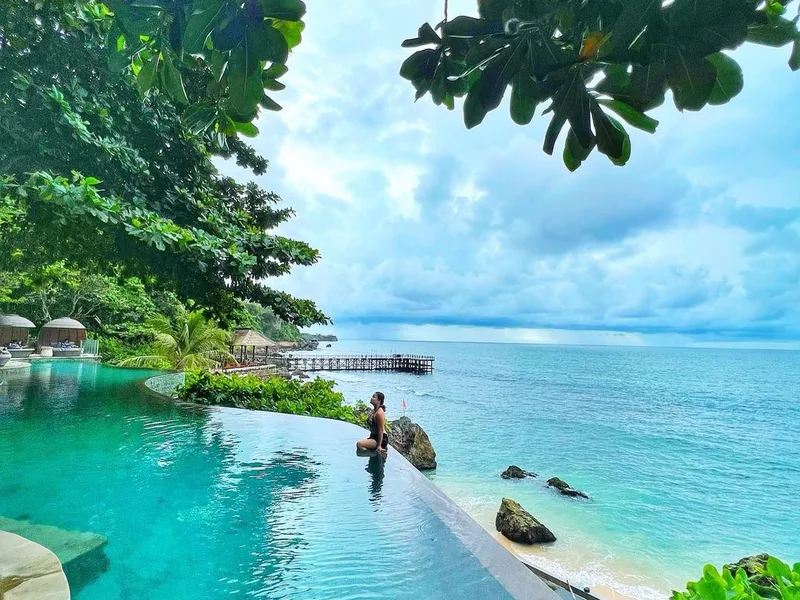
Six nights across Ubud’s rice terraces, the quiet Sidemen valley and the Uluwatu cliffs, the Bali underneath the Instagram version, on a visa stamped at the airport.