Nepal: Annapurna Foothills on Foot
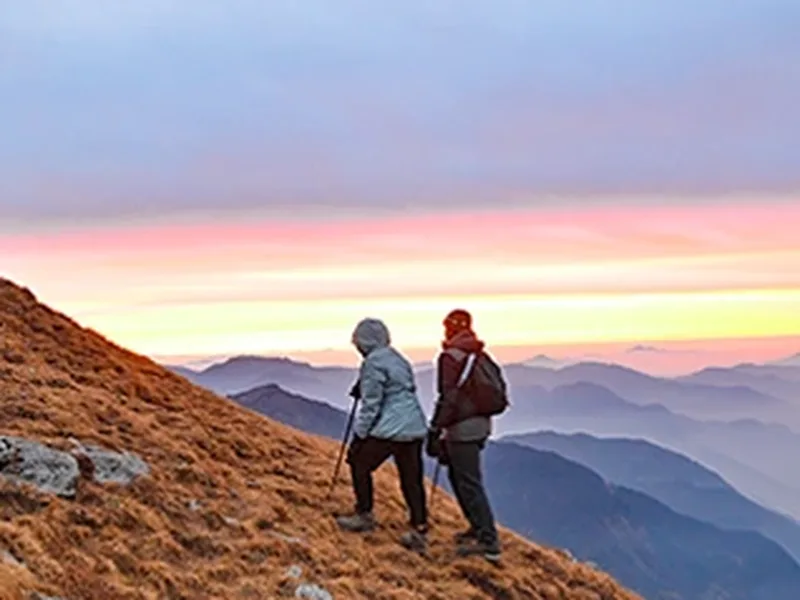
Eight nights built around a four-day teahouse trek through Ghandruk to Poon Hill, sunrise over Annapurna and Dhaulagiri on foot, no visa, no flight paperwork, no mountaineering required.
Six nights through Thimphu, Punakha and Paro, ending with the climb to Tiger's Nest, the Himalayan kingdom Indians can enter without a visa, and mostly don't.
Bhutan sits an hour's flight from Indian soil, requires no visa from Indian citizens, and remains the least-visited country on most Indian travellers' lists. The confusion is usually about cost: Bhutan charges Indians a Sustainable Development Fee per person per night, which sounds like a barrier and is actually the whole point, it is why the Punakha valley is quiet, why the dzongs are not queued, and why Bhutan feels the way Himachal felt forty years ago. We state the SDF plainly in the price rather than surprising you with it.
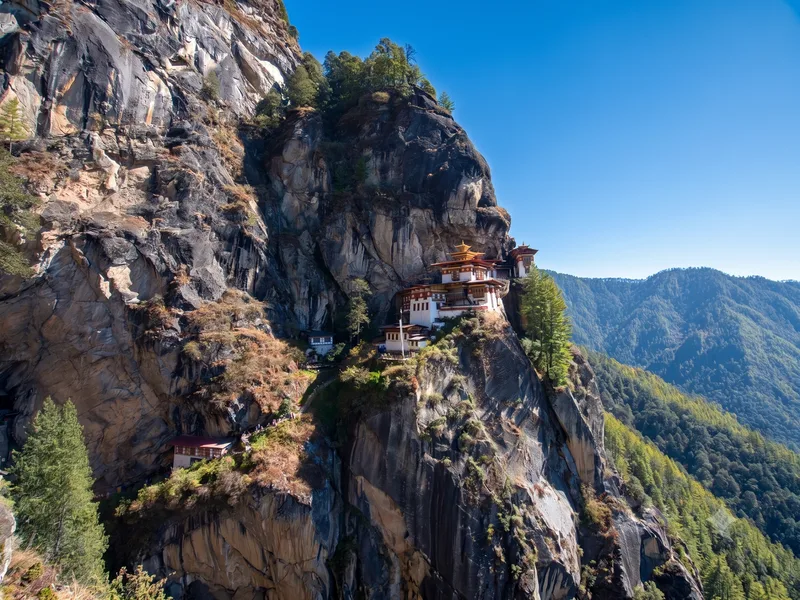
The route is the classic western circuit done in the right order: Thimphu first for the capital's oddities, a city with no traffic lights, policed by white-gloved hand signals, then over the Dochula pass with its hundred and eight chortens and, on a clear morning, the eastern Himalaya laid out end to end. Punakha is the warm valley: the most beautiful dzong in the country at the meeting of two rivers, and a gentle walk through paddies to the fertility temple. Paro comes last because Tiger's Nest must come last, a monastery pinned to a cliff nine hundred metres above the valley floor, reached by a steady three-hour climb that we prepare you for all week.
We are honest about that climb: it is the one demanding day in an otherwise moderate trip, and it is optional, the cafeteria viewpoint at the halfway mark is a worthy destination in itself, and horses can carry you that far. Grandparents regularly come on this journey and simply take the morning in Paro town instead. Nobody has ever reported regretting the trip either way.
Seven days, start to finish. The route, then the rhythm of it.
Fly into Paro, sit on the left for the Himalaya, and drive to Thimphu (1.5 hours). Evening stroll on the main street and the weekend market if timings align.
Thimphu, Buddha Dordenma at first light, the Memorial Chorten with its circling elders, the takin reserve, and the painting school where teenagers learn the thirteen traditional arts.
Over the Dochula pass (3,100 m) to Punakha, prayer flags and mountain views with morning tea. Afternoon at Punakha Dzong between the rivers.
Punakha, walk through the paddies to Chimi Lhakhang, suspension bridge across the Mo Chhu, afternoon at leisure in the valley.
Drive to Paro (4 hours with stops). Rinpung Dzong and the National Museum, early dinner and an early night, tomorrow is the climb.
Tiger's Nest. On the trail by 7:30, cafeteria viewpoint by mid-morning, monastery by noon for those continuing, down by mid-afternoon. Hot stone bath in the evening for aching legs.
Depart Paro.
The facts most itineraries leave out. We print them because they are what decides whether this trip suits your family.
Family-run Bhutanese hotels with wood-panelled rooms, bukhari heaters and kitchens that will happily spice up for Indian palates, ema datshi on request, dal always available. In Punakha the property looks over the paddies; in Paro you can see the Tiger's Nest cliff from breakfast.
Multi-generational families, couples and anyone who wants the Himalaya with culture rather than adrenaline, everything except the final climb is genuinely manageable for fit seniors. The Taktsang climb itself is not: 900 m of ascent on a rough trail. It is optional and we plan alternatives without fuss. Not for travellers who need nightlife or shopping; Bhutan has neither and is proud of it.
Journeys that suit the same travellers.

Eight nights built around a four-day teahouse trek through Ghandruk to Poon Hill, sunrise over Annapurna and Dhaulagiri on foot, no visa, no flight paperwork, no mountaineering required.

Seven nights from Sigiriya's rock fortress through Kandy and the hill-country train to Ella, ending on the ramparts of Galle, the whole island, on a visa that costs Indians nothing.

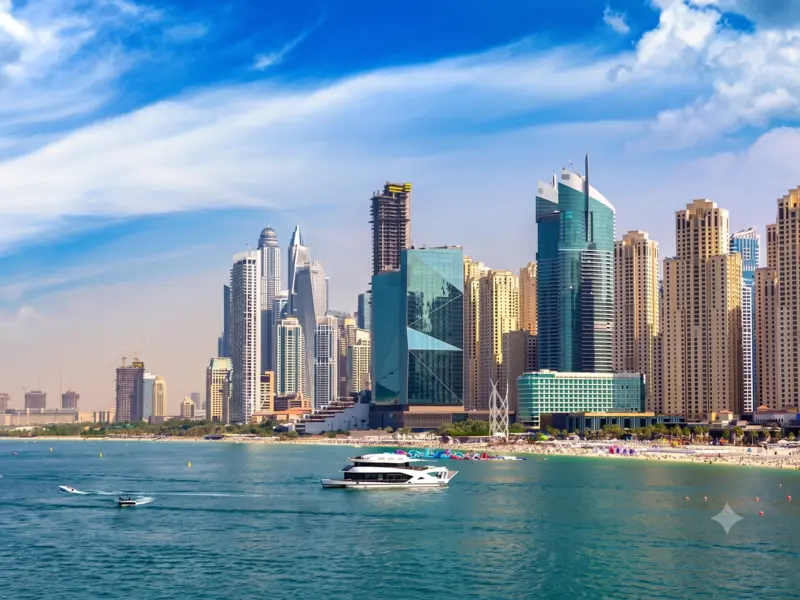
Five nights across Dubai and Abu Dhabi that trade a third mall visit for the creek dhows, a desert evening, and the Louvre, the version of the Emirates worth flying for.