Tawang & the High Monasteries of Arunachal
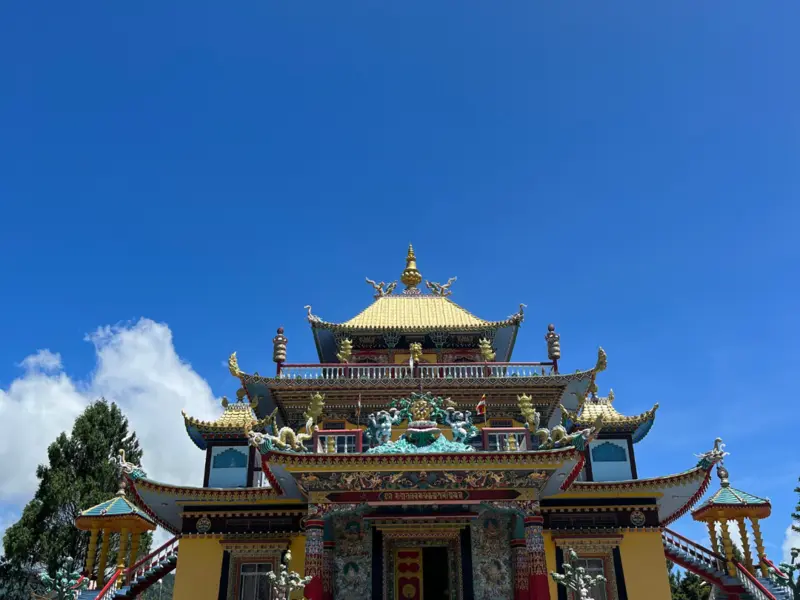
Eight nights on the great road from Guwahati through Dirang to Tawang and its 17th-century monastery, over the 4,170-metre Sela Pass and back, in the clear windows of March–April and October–November.
Six nights through Shillong, Cherrapunji, Mawlynnong and the crystal water at Dawki, including the descent to a living root bridge that is the whole point, in the clear October–April season.
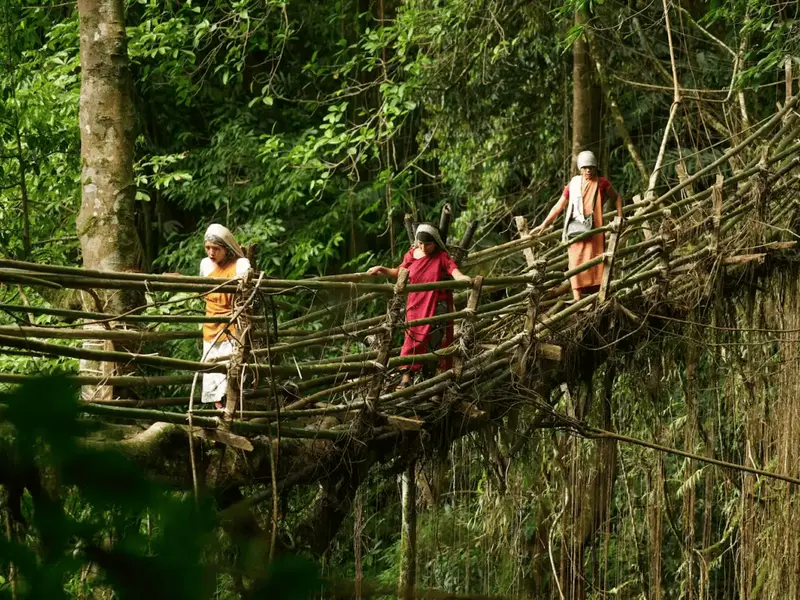
Everyone photographs the double-decker root bridge. Almost nobody tells you what it costs to reach it: roughly 3,000 steps down into the Nongriat gorge, and the same 3,000 back up. Operators bury that line in the fine print and then wonder why half their travellers turn back at step 800. We put it in the first paragraph instead, and we build the trip so that the descent is a choice, not an ambush, there is a far more accessible single root bridge near Riwai for those who skip it, and no one carries guilt either way.
What we do differently is spread the wonder around. Meghalaya is not one bridge; it is Shillong's easy musical swagger, the falls at Cherrapunji thundering even in the dry season, sacred groves the Khasis have protected for centuries, Mawlynnong's almost comical tidiness, and the Umngot river at Dawki so clear the boats appear to float on air. We drive it in the October–April window when the skies are open and the wettest place on Earth is, usefully, mostly dry.
It lands hardest for friends travelling together and active families who want an India that looks like nowhere else in India. The proof point is the moment your boat crosses still water at Dawki and someone asks whether the river is actually there.
Seven days, start to finish. The route, then the rhythm of it.
Arrive Guwahati, drive to Shillong (3.5 hours) with a tea stop above Umiam Lake; evening in a Police Bazar café. Easy start.
Shillong, Ward's Lake and the cathedral in the morning, Don Bosco museum after; drive to Cherrapunji by evening.
The big day for those doing it, descent to Nongriat and the double-decker root bridge (5–6 hours round trip, ~3,000 steps each way); everyone else takes the falls and Mawsmai cave at ground level.
Gentle recovery, Nohkalikai Falls at first light, the eco-park viewpoints, an unhurried afternoon; legs will vote for this schedule.
Drive to Mawlynnong via the Riwai living root bridge (the accessible one); afternoon in the village, evening at a homestay-style property.
Dawki, early boats on the Umngot when the water is at its clearest; the border viewpoint at Tamabil; return towards Shillong.
Drive to Guwahati (3.5 hours) for afternoon flights; Kamakhya temple stop if timing allows.
The facts most itineraries leave out. We print them because they are what decides whether this trip suits you.
A well-kept hotel in Shillong, a resort at Cherrapunji whose entire reason for existing is the gorge view from breakfast, and a simple, warm homestay-style property near Mawlynnong where dinner is what the family is eating. Comfort varies by night and we say so; character is constant.
Friends travelling together, couples and active families, children who can handle stairs do brilliantly here. Explicitly not senior-friendly on the Nongriat day: 3,000 steps down and up is a genuine physical event, and the alternative bridge at Riwai exists precisely so nobody is pressured into it. Travellers with knee trouble should plan around the Riwai option from the start.
Journeys that suit the same travellers.

Eight nights on the great road from Guwahati through Dirang to Tawang and its 17th-century monastery, over the 4,170-metre Sela Pass and back, in the clear windows of March–April and October–November.

Five nights from Bhuj to the white salt flats of Dhordo and the sea at Mandvi, timed for the Rann Utsav and the full-moon nights when the desert turns silver.

Four nights in Amritsar built around the Golden Temple at its quietest hours, the Wagah border ceremony done properly, and the best eating city in North India taken seriously.