Wayanad & the Malabar Coast
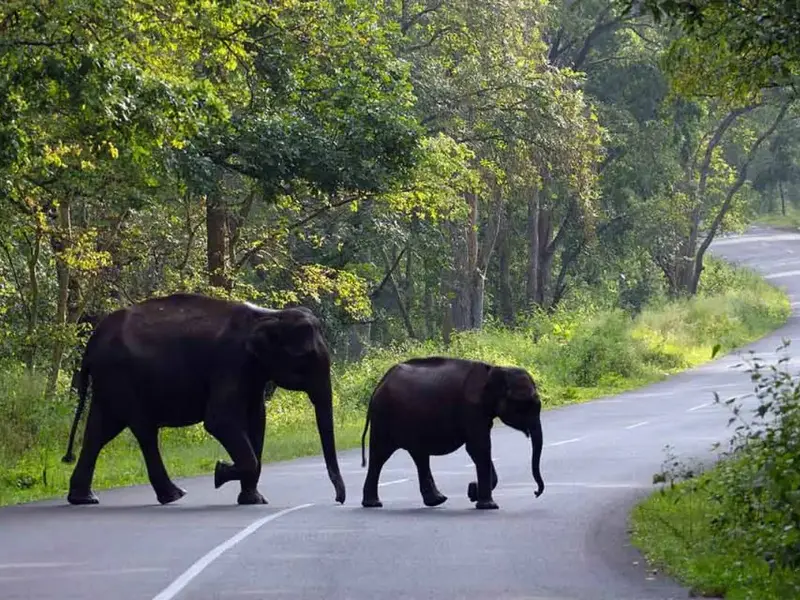
Six slow nights through Kozhikode's legendary food streets, the plantation hills of Wayanad and Kannur's theyyam season, the Kerala that the backwater brochures never reach.
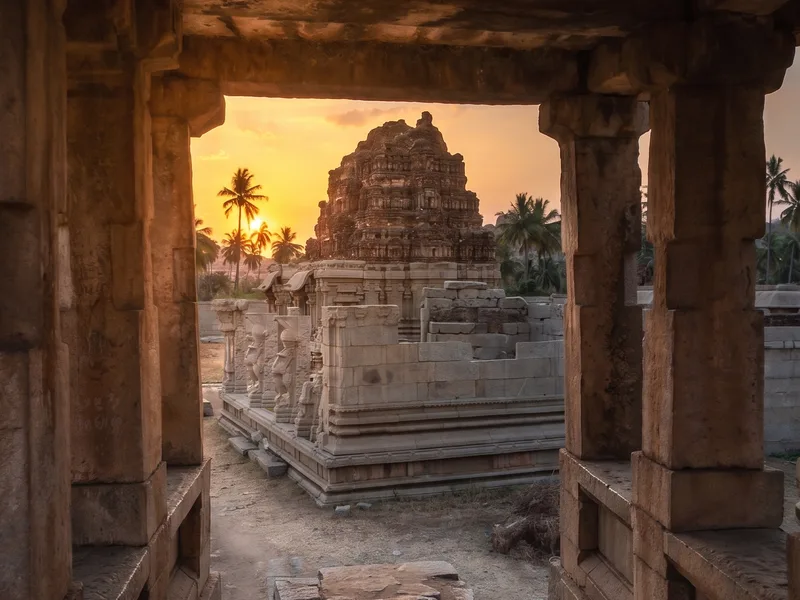
Five nights among the ruins of Vijayanagara and the cave temples of Badami, timed for the cool months and the low sun that photographers cross the world for.
Hampi punishes bad planning more than almost anywhere in India. The site is vast, the heat arrives by ten, and the standard itinerary marches people across open granite at exactly the hours the light is worst and the sun is strongest. The place deserves better, and the fix is simple: go in the cool months, do the ruins at dawn and dusk, and spend the middle of the day where the shade is.
That is the whole architecture of this trip. Mornings at Vittala's stone chariot before the crowds, the Virupaksha ceremonies at first light, sunset from Hemakuta hill with the boulder fields turning copper. Middays are for long lunches, the Kamalapura museum, or nothing at all. A coracle spin on the Tungabhadra, the same round boats in the Vijayanagara-era murals, is the kind of small moment this landscape does effortlessly. Then Badami, which most Hampi itineraries skip and shouldn't: sixth-century cave temples cut into red sandstone above a green tank, plus Pattadakal and Aihole, where you can watch temple architecture being invented, one experiment at a time.
Photographers and history-minded travellers get the most out of this; so do younger travellers who like their heritage with some scrambling in it. Honest note in the name itself: this is a walking trip over uneven stone, and we have marked the pace accordingly.
Six days across Vijayanagara and Badami, in the order the light demands.
Arrive Hubballi or Vidyanagara airport, drive to Hampi (2–3 hrs). Sunset orientation from Hemakuta hill, the whole ruined city at your feet. Easy evening.
Dawn at Virupaksha temple, then the Sacred Centre on foot, Hampi Bazaar, the monolithic bull, Achyutaraya. Long shaded lunch. Late afternoon coracle on the Tungabhadra.
Vittala temple and the stone chariot at opening time, the King's Balance, Royal Enclosure and the Elephant Stables in the golden hour. Midday museum and rest.
Drive to Badami (3 hrs) via Aihole and Pattadakal, the laboratory and the masterpiece, in that order. Evening at Badami's Agastya tank.
Badami cave temples in morning light (steps, unhurried, with rest points), Banashankari temple. Afternoon free.
Drive to Hubballi airport (2 hrs) for departure.
The facts most itineraries leave out. We print them because they are what decides whether this trip suits you.
Near Hampi, a garden property on the quiet side of the river zone, verandas, hammocks, and the sound of the site rather than the road. In Badami, the town's most dependable hotel, plain and well-kept. Both are places we have used for years and chosen for early breakfasts, because dawn is when this trip happens.
Photographers, history lovers, and younger travellers who enjoy ruins you can climb through rather than view from a rope line. Fine for fit older travellers who accept uneven ground. Not for anyone with serious knee or mobility limitations, Hampi is granite underfoot all day and Badami's caves are reached by steps, and not for travellers who measure a destination by its restaurants.
Journeys that suit the same travellers.

Six slow nights through Kozhikode's legendary food streets, the plantation hills of Wayanad and Kannur's theyyam season, the Kerala that the backwater brochures never reach.

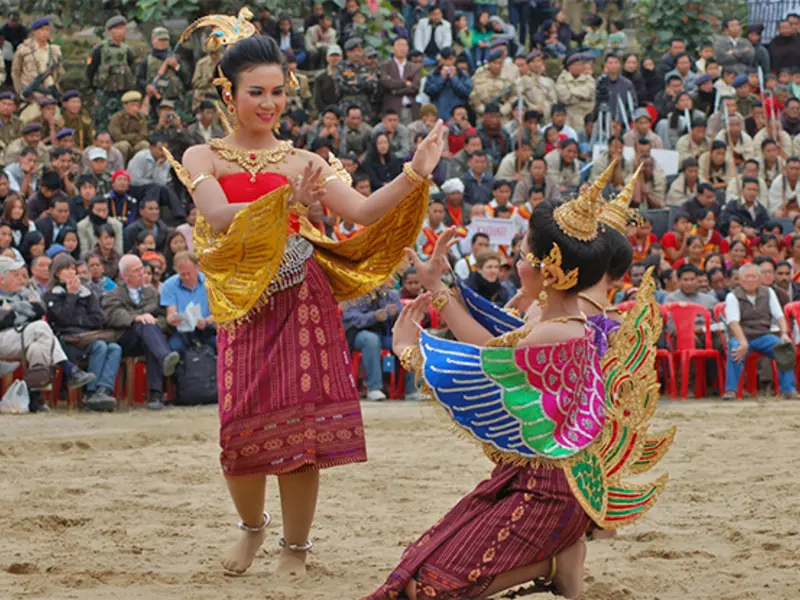
Six nights around the first week of December, the Hornbill Festival at Kisama, the villages above Kohima, and Khonoma, Asia's first green village, with the permits, beds and logistics that make or break this trip handled before you land.

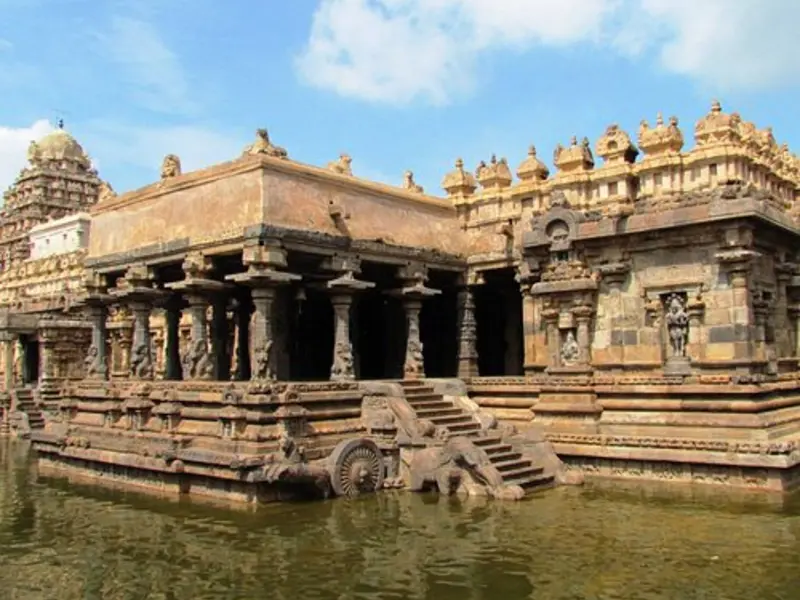
Five nights deep in the Cauvery delta, Kumbakonam's living temple towns, the two quieter Great Chola temples, and the Danish surprise of Tranquebar, the Tamil heritage circuit for travellers who have already done the obvious.